
Spring Cleaning: High-Impact Decluttering Zones
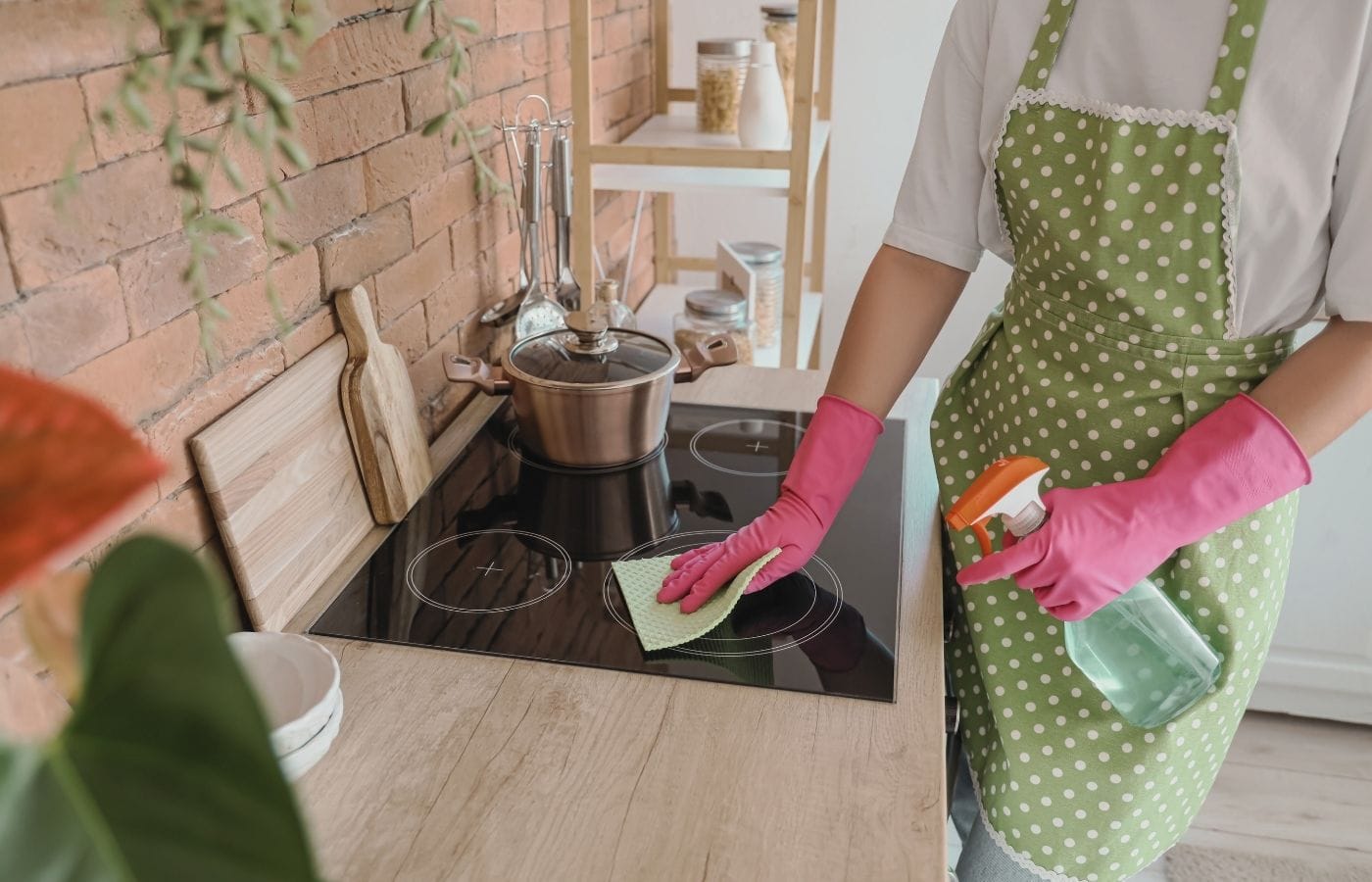
Preparing a home for the 2026 spring market in Ontario requires a strategic approach that goes beyond basic tidying.
In a real estate climate characterized by increased inventory and more selective buyers. Decluttering has evolved into a sophisticated financial strategy designed to maximize the perceived value of a property.
Prospective buyers in regions such as the Greater Toronto Area, Ottawa, and the Niagara Peninsula are searching for a sense of expansive space and organizational potential. An overfilled home can inadvertently obscure the very architectural features that justify a premium asking price. By focusing on ten specific high-impact zones, sellers can facilitate a faster sale and achieve a higher final transaction price.
The Entryway and Foyer
The first zone of focus is the entryway or foyer, as this is where the critical initial impression of the home is formed. In Ontario, the transition from winter to spring often leaves entryways cluttered with boots, bulky coats, and stained floor mats. Removing this excess seasonal gear instantly creates an open, welcoming environment that feels larger than its actual square footage. A minimalist entryway allows a buyer to step into the home without feeling physically or visually restricted, setting a positive tone for the remainder of the tour.
Kitchen Countertops and Prep Surfaces
The second zone involves the kitchen countertops. Many modern buyers in 2026 prioritize functional counter space above almost any other kitchen feature. By removing small appliances, spice racks, and personal items, you allow the quality of the stone, quartz, or laminate surfaces to stand out. A clear countertop suggests that the kitchen is large enough to handle gourmet meal preparation. A cluttered surface implies a lack of storage, forcing the buyer to focus on the objects rather than the asset itself.
Kitchen Pantry and Cabinet Interiors
The third zone extends into the kitchen, pantry and cabinets. It is a common misconception that buyers do not open and look inside storage areas; in reality, serious purchasers will inspect the depth and height of cabinetry. Neatly organized storage areas, with items faced forward and excess containers removed, suggest that the home has been meticulously well-maintained throughout. This level of organization signals to the buyer that the current owners take pride in the property.
Bedroom Closets and Wardrobe Storage
The fourth zone involves bedroom closets, which are often a deal-breaking feature for growing families. The goal here is to demonstrate storage capacity. By removing approximately half of the clothing and utilizing uniform hangers, the closets appear significantly larger and more capable of handling a new owner’s belongings. When a closet is packed to full capacity, it sends a subconscious message that the home lacks sufficient storage. A half-empty closet, on the other hand, suggests there is more than enough room for a new lifestyle.
Bathroom Vanities and Medicine Cabinets
The fifth zone is the bathroom vanity and medicine cabinet. Clearing these surfaces of personal toiletries, medications, and daily-use items creates a spa-like atmosphere that appeals to the buyer’s desire for a retreat. Utilizing neutral, decorative accents and ensuring that the storage beneath the sink is tidy further enhances the sense of cleanliness and luxury. In the competitive 2026 market, a bathroom that looks like a high-end hotel suite can be a significant differentiator.
Living Room Shelving and Entertainment Units
The sixth zone focuses on the living room, specifically shelving and entertainment units. In the age of digital media, many homes still carry an excess of physical books, DVDs, and various decorative objects. Reducing the number of items on display by two-thirds helps the room feel less crowded, allowing the buyer to focus on the scale of the room and the quality of the natural light. This process helps to “depersonalize” the space, making it easier for a buyer to visualize their own furniture in the room.
The Home Office and Digital Workspace
The seventh zone is the home office, which has maintained its status as a primary feature for many Ontario buyers in 2026. With remote and hybrid work remaining a standard across the province, the home office must present itself as a highly functional and productive space. A clean desk, tucked-away cables, and an organized filing system highlight the professionalism of the room. If a bedroom is currently being used as a multipurpose storage room, returning it to a dedicated office setup can significantly increase the home’s appeal to professional couples.
The Basement and Utility Room
The eighth zone is the basement or utility room. These areas often become a “catch-all” for old storage bins and discarded items. Ensuring there is clear access to the furnace, water heater, and electrical panel gives buyers confidence in the home’s mechanical systems. A basement that is easy to navigate suggests that there are no hidden issues, such as moisture or cracks. This transparency is vital for a smooth home inspection process.
The Garage and Workshop
The ninth zone is the garage, which is often a major selling point in suburban Ontario markets. A tidy garage suggests that the property has ample room for both vehicles and hobbies. By utilizing wall-mounted storage or overhead racks, you demonstrate the full volume of the space. A clean, perhaps even freshly sealed garage floor, can be surprising for buyers who value a well-kept exterior.
Outdoor Living Areas and Patios
The tenth and final zone is the outdoor living area. As Ontario’s spring cleaning season arrives, buyers are eager to imagine themselves enjoying the outdoors. Removing winter debris, power-washing decks, and organizing patio furniture helps buyers visualize the lifestyle potential of the backyard.
The ultimate goal is to depersonalize so that potential buyers can stop seeing your life and start imagining their own. This process also serves a dual-purpose endeavour by simplifying the eventual moving process for the seller once the “sold” sign is on the lawn.
If you are planning to list your property and want a professional assessment of your home’s market readiness, contact us to schedule a pre-listing walkthrough.
Royal LePage® Royal City Realty
30 Edinburgh Road North, Guelph, ON N1H 7J1
(519) 821-6191
Let us put you in touch with a Real Estate Agent you can trust!
Have questions about buying real estate and don't know where to begin? Contact one of our agents today.Please Note: Information you supply in the contact form will be kept fully confidential.